


The joy of
country living at
Schloss Marchegg
The buildings of this medieval moated castle reflected the battlefields of the Marchfeld for centuries, before serving as a hunting lodge and summer residence for the Hungarian princely family of Pálffy. Once a baroque playground for the aristocracy, it is now an architectural jewel and natural paradise open to the public. Here you will find culture and history, a unique wetland reserve and the largest tree-nesting colony of white storks in Central Europe.
Blending history and nature
Built in the Middle Ages as a fortified castle by the Bohemian king Ottokar II Pˇremysl, Schloss Marchegg has undergone many transformations over the course of its many owners. While the 16th-century Counts of Salm brought the Renaissance to the castle, the Pálffys transformed it into a Baroque hunting and pleasure palace in the mid-17th century. Calmer times had finally arrived and people were treating themselves to a dairy farm, a brewery and everything they needed to have a good life. Schloss Marchegg was the meeting place for Austria’s crowned heads – including Maria Theresa. Until 1945, it was the residence of the Pálffy family.
Today, Schloss Marchegg offers visitors historical excavations and breathtaking architectural details: special vaults and wall decorations, as well as the uncovered medieval walls in the cellar under the chapel and the original town wall, which is still partially preserved. There is also the Stork House and the Lower March Marshes nature reserve with the Konik horse pasture and fairytale meadows.
The dead dog and the wood thieves
There are a number of legends surrounding the Pálffy princes, most of which tell of their love for animals and their neighbours. One story goes like this: When the lord of the castle’s favourite dog died unexpectedly, he was given a very special burial place. A memorial stone bearing the name „Jonny“ stands there to this day in his honour. The stone was colloquially known as the „dead dog“.
Another legend tells of two wood thieves who were caught in the forest by the prince and his forester while cutting down a tree.
When asked who had given them permission, they replied to the prince: „Sir Forester, our poor parents have no way to heat their house and are freezing. A scrawny little tree is all we are taking.“ The Prince told them they needed permission from the Forestry Commission, to which the men replied that there they had been chased off. He then allowed them to come back the next day with two horse-drawn carts and cut as much wood as they could load. But they were to wait until he arrived. The next day he revealed himself and offered the wood to the men as a gift.
Tips

Best view of the storks
To see the white stork colony at Schloss Marchegg, take a guided tour or visit the free viewing platform on the castle lawn.
Cross-border
cycling fun
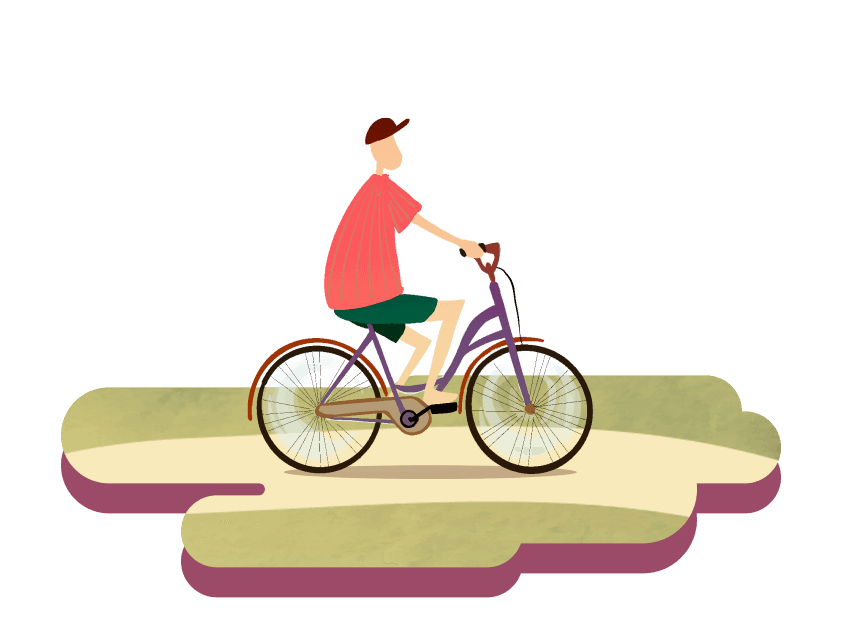
From Marchegg to Vysoká pri Morave in Slovakia, you can cycle in an environmentally friendly way on the 260-metre-long cycle and pedestrian bridge "VysoMarch".

Discover Marchegg while listening to its (hi)stories
Simply download the "Ortsspaziergänge" app on your smartphone and listen to interesting audio stories about the city's past during an hour-long walk.
146
windows offer views in and out
200
bats in the roof truss
13
stork nests on the castle roof
Do you know where storks live?
Storks build a large nest, a so-called eyrie, which often weighs hundreds of kilos. For this, they look for elevated places such as trees or the rooftops of houses.

I am an excellent builder.

I save energy by gliding.
Did you know that storks are skilled flyers?
Storks have an impressive wingspan of up to two metres. That's about as wide as a door is tall. In winter, they fly as far as South Africa.
Do you know what storks eat?
Storks are carnivores and feed mainly on frogs, lizards, earthworms, snakes, insects and small mammals.
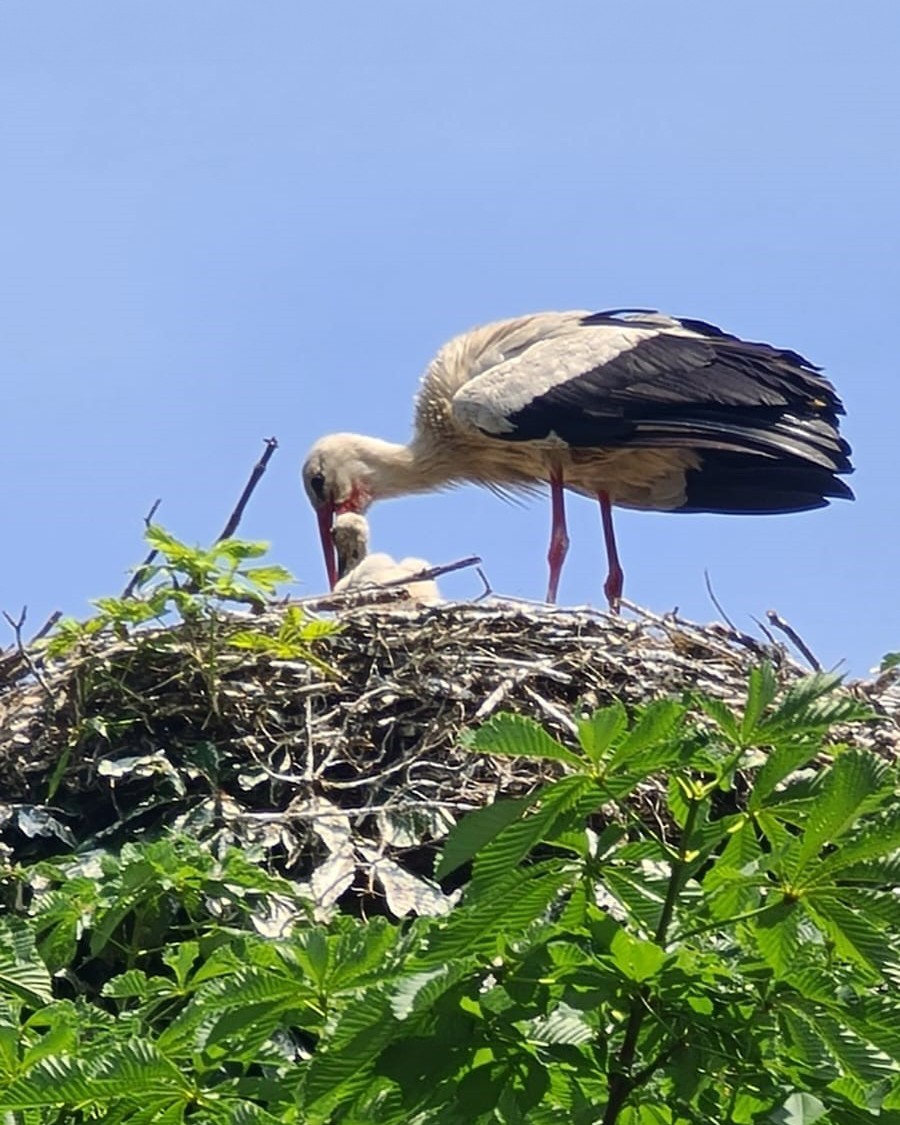
I also like to eat mice.

I fly faster than you can run.
Do you know how a stork flies?
When storks fly, they keep their legs stretched out straight behind them. It makes them look like little aeroplanes!
Do you know how storks communicate?
Storks can rattle their long beaks. They are sometimes quite loud, especially when they are sitting together in large groups.

I'm also known as the "rattling" stork.
